
Big Bend Landscape & Night Sky Photography Workshop
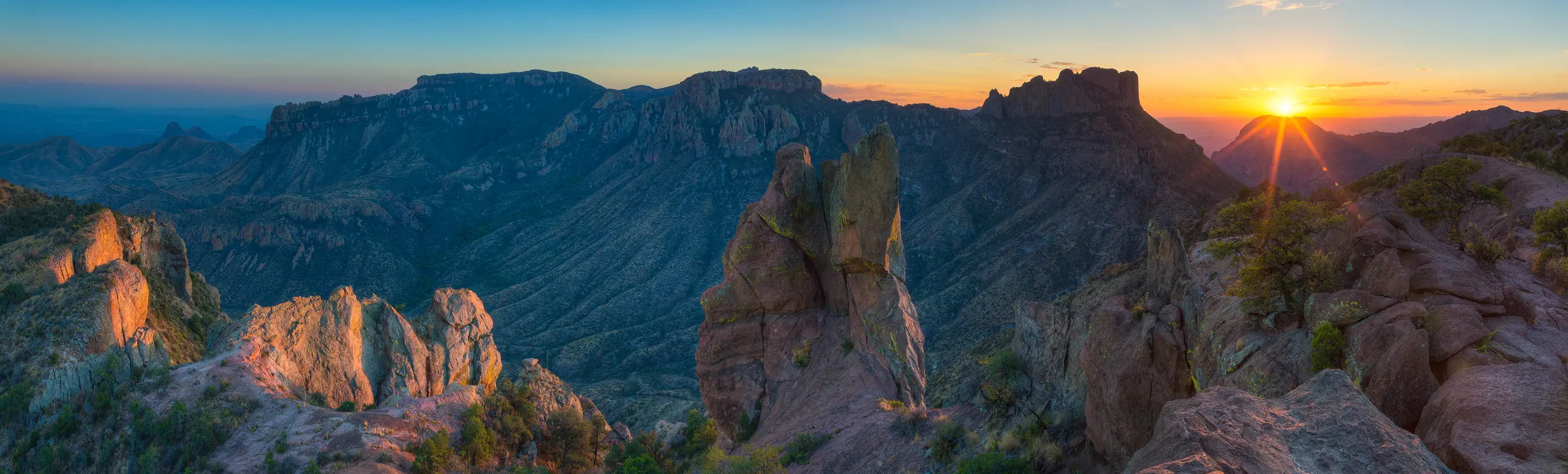
This Big Bend photography workshop is based in Terlingua, Texas near Big Bend National Park. Here, the Southwest desert landscape is defined by sculpted mountains, desert basins, and expansive skies that reveal form and depth as light moves across the terrain. We photograph these landscapes at sunset and twilight, often continuing into the night to capture the Milky Way when skies allow, working in a small group as light and conditions evolve.
Workshop overview
Workshop video
This video includes behind-the-scenes footage, sunset and twilight sessions, Milky Way time-lapse sequences, and finished images from the Big Bend workshop.
About the Big Bend National Park photography workshop
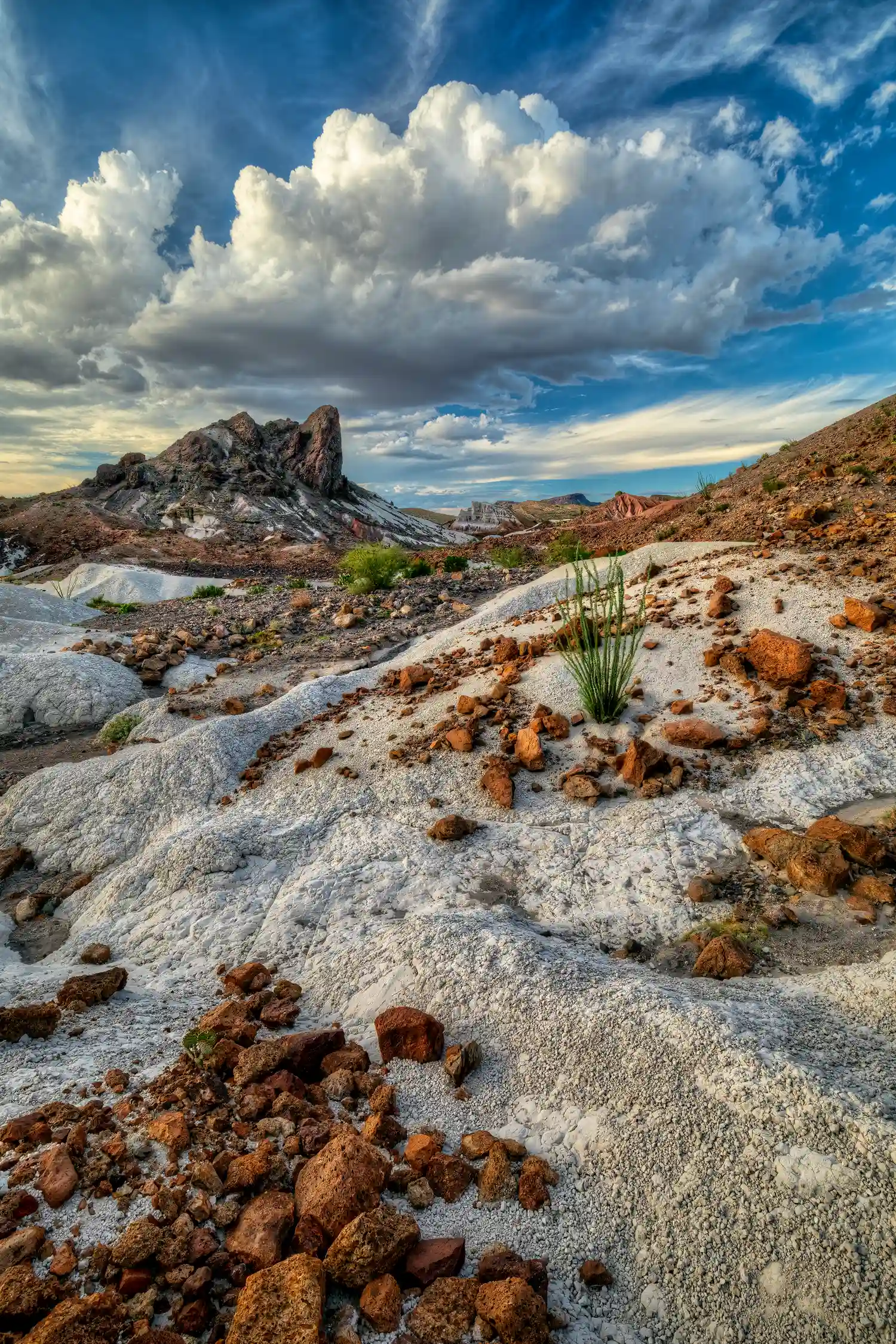
Big Bend National Park and Big Bend Ranch State Park feel expansive and exposed. Light moves slowly across open desert plains, limestone ridges, and volcanic formations, and distance becomes part of every composition. The scale is larger than it first appears, and small decisions in placement can shift the balance of an entire scene, especially when foregrounds define the entry into the frame. Wind crosses the desert with little interruption, and as twilight stretches across the desert floor, colors soften and details simplify. The pace slows, and careful positioning matters more than spectacle.
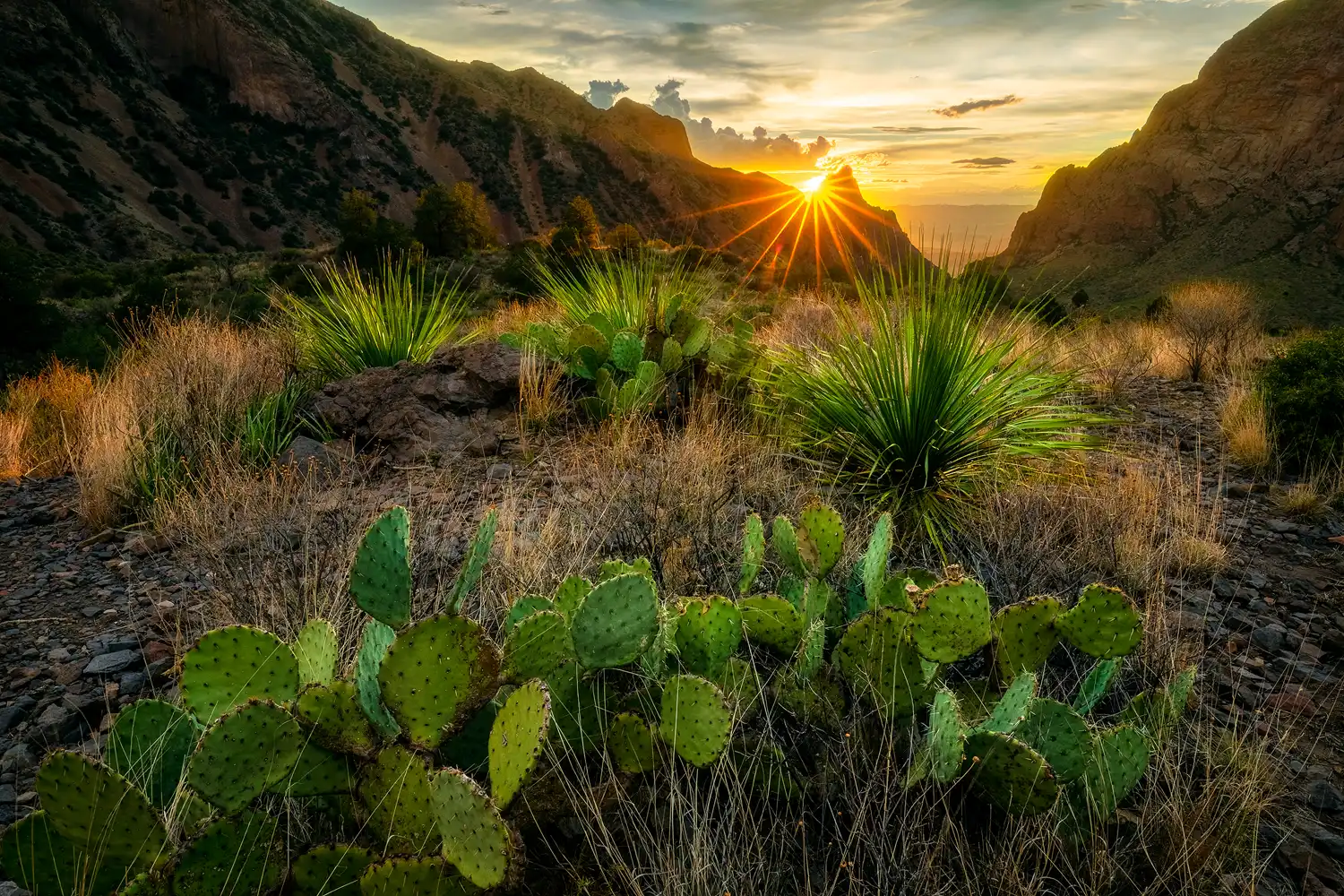
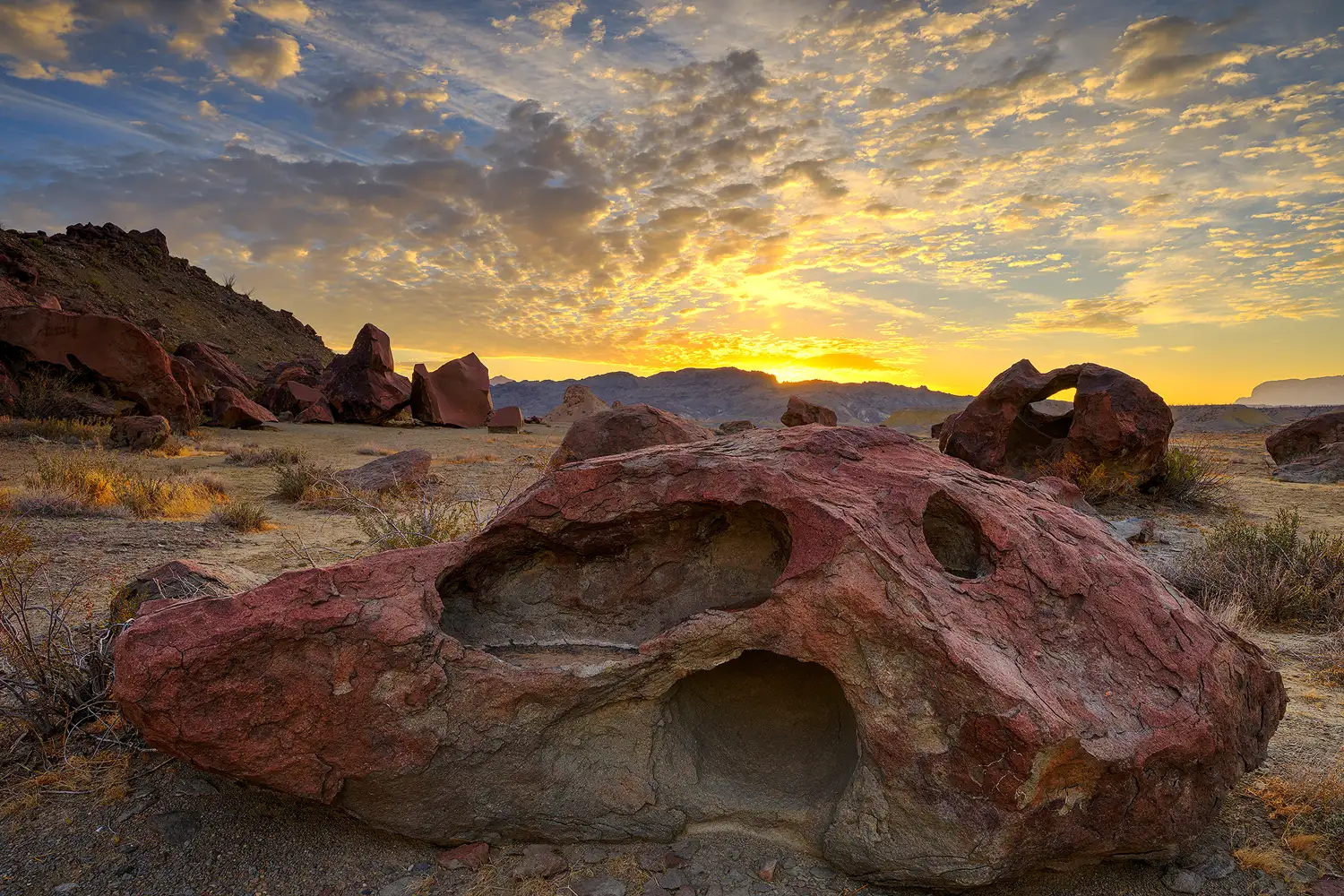
Within that landscape are distinctive desert landforms that lend themselves to carefully structured compositions. We work with features such as Cerro Castellan, the Window in the Chisos Mountains, Exhibit Ridge, elevated viewpoints along Lost Mine Trail, and selected locations along River Road to build layered sunset and twilight images.
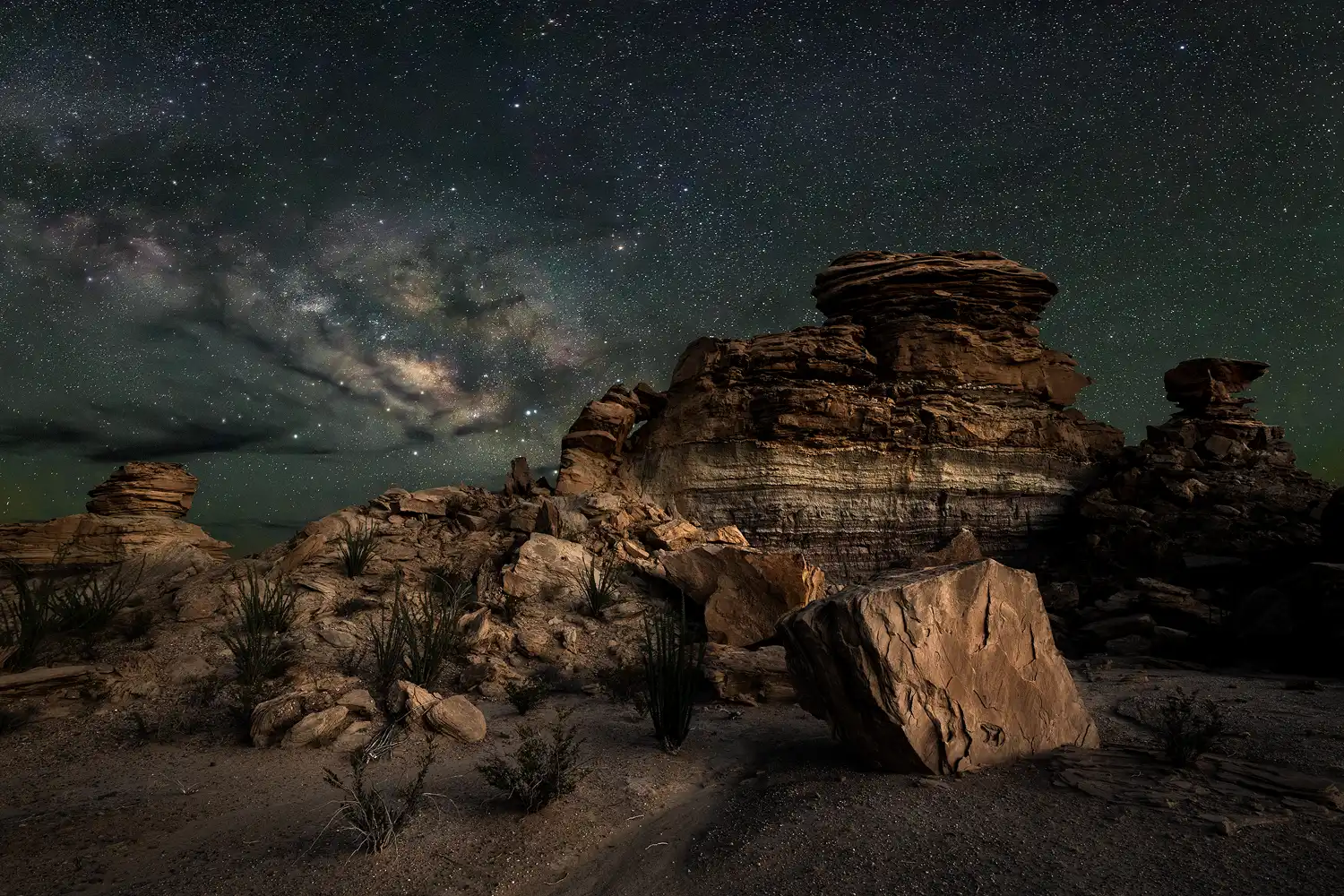
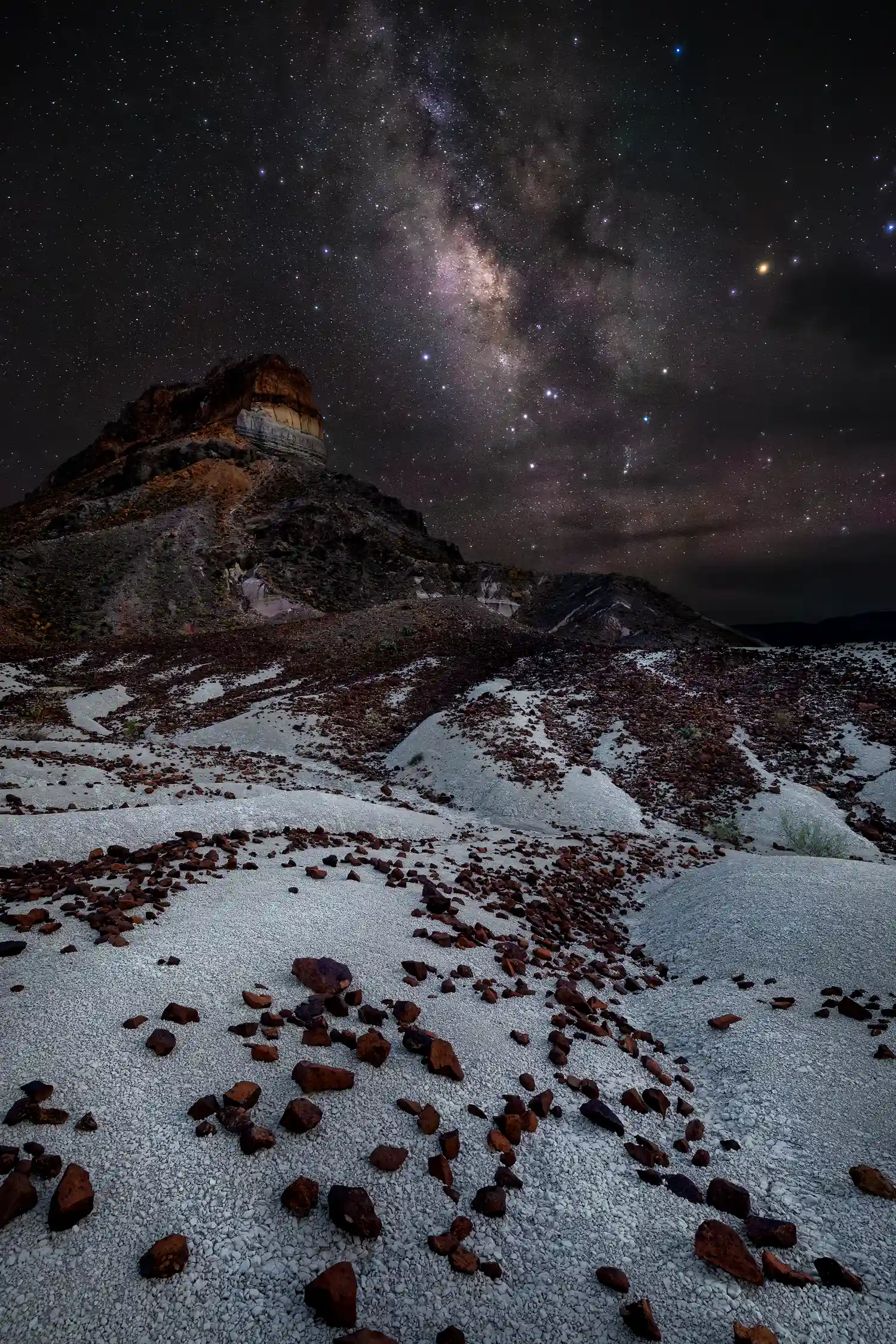
This workshop incorporates sunset, sunrise, and night sky photography. Evenings begin with desert scenes illuminated by warm, low-angle light, where placement, scale, and foreground selection determine whether a composition holds together. As twilight deepens, those same foregrounds are often refined and captured again, then later paired with Milky Way exposures made under clear skies. A single calm night can provide the sky elements needed for multiple planned blends, rewarding careful preparation earlier in the evening.
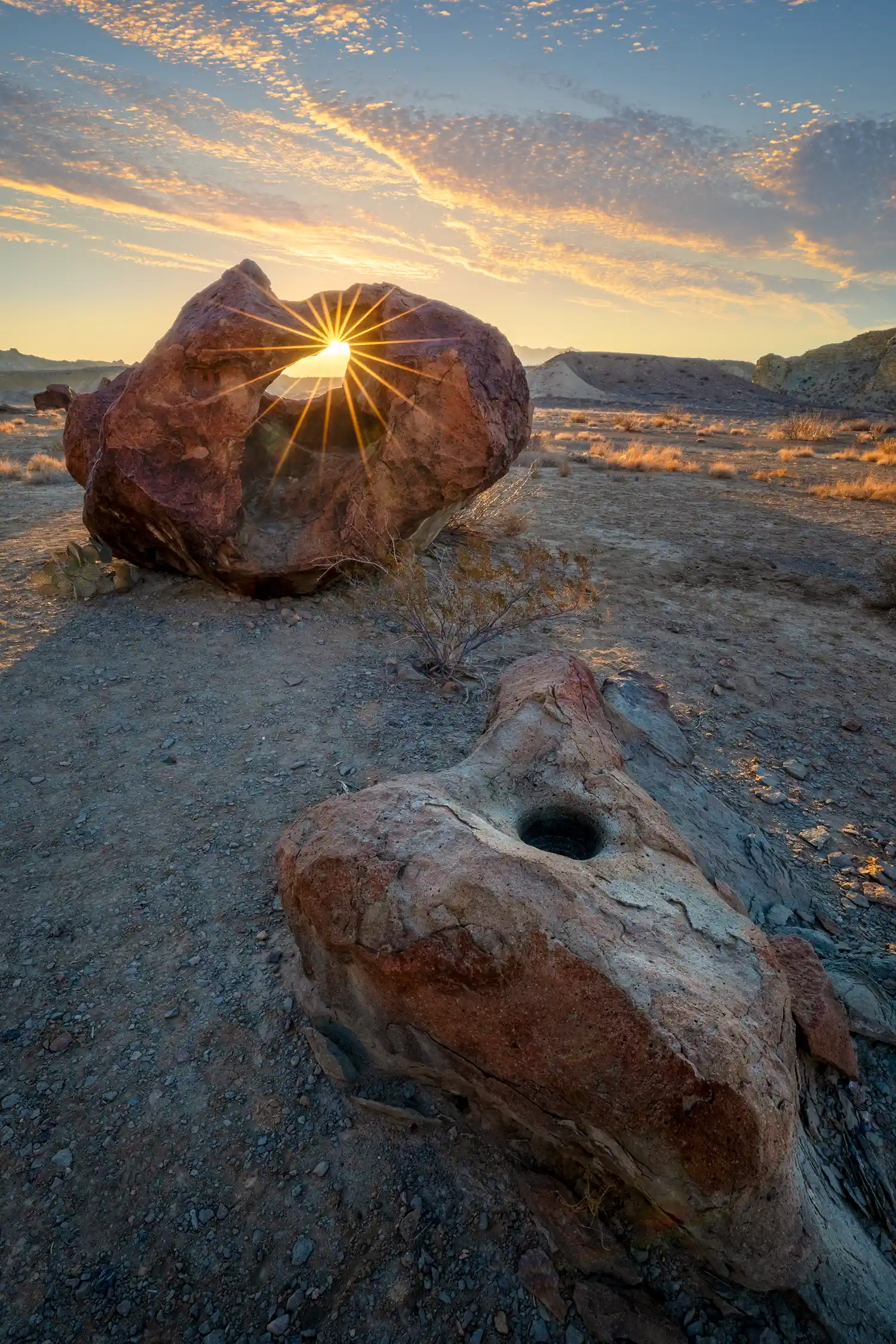
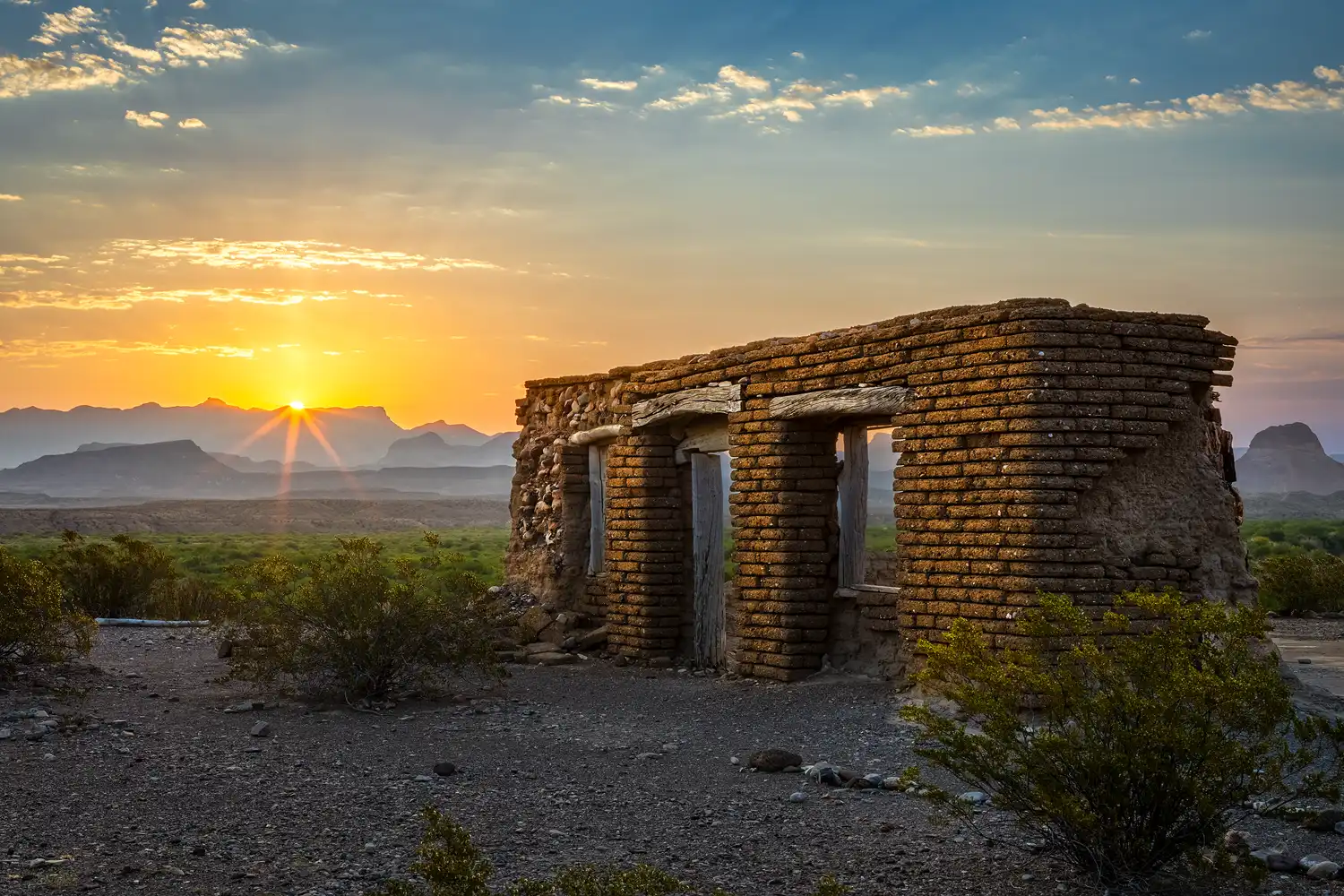
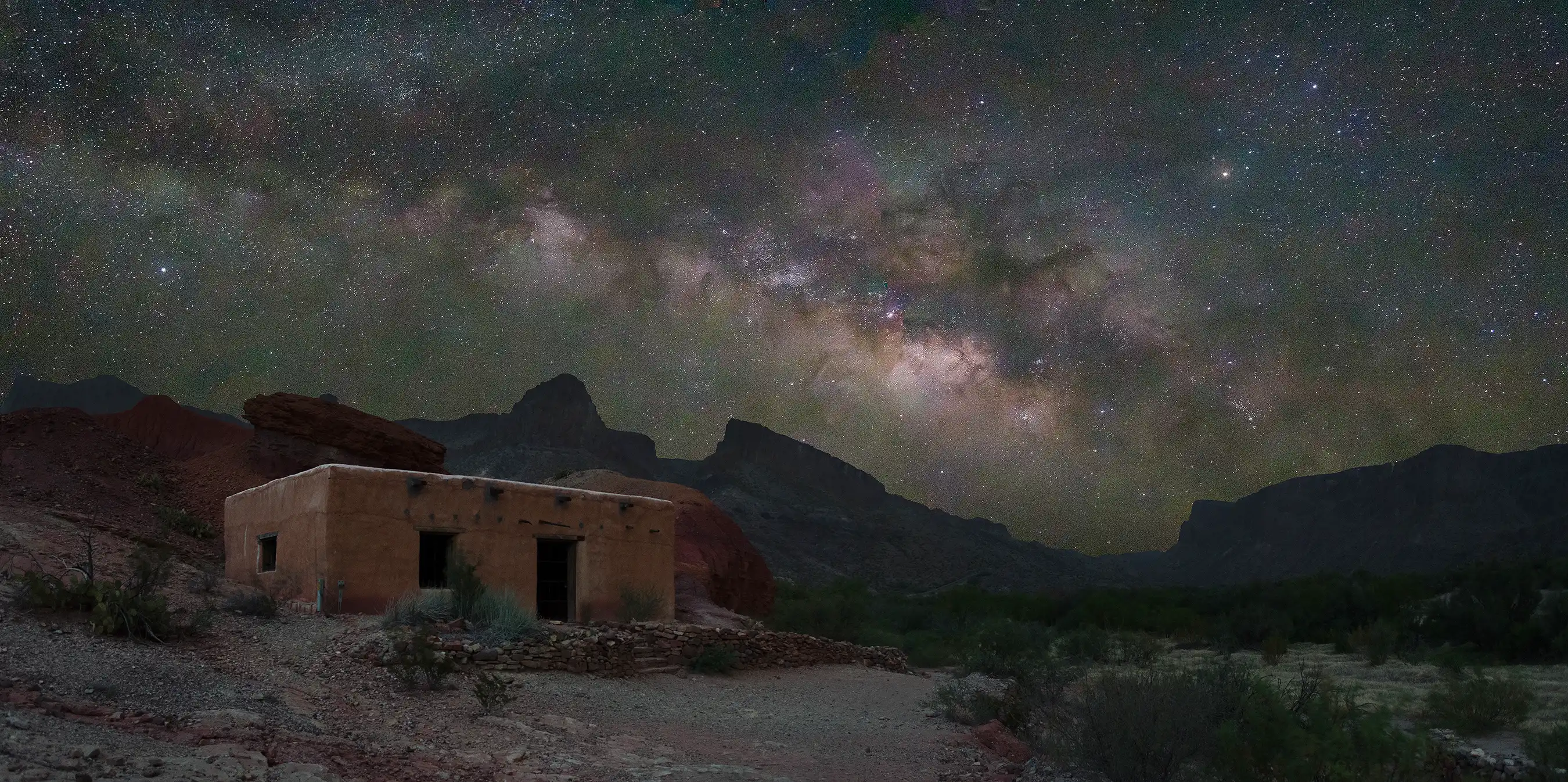
Weather in Big Bend is variable, and clouds are common. Rather than treating night photography as a guaranteed outcome, we adapt. If skies obscure the Milky Way, emphasis shifts toward sunrise sessions, sunstars through natural rock formations, adobe ruins at first light, or elevated mountain viewpoints that respond well to changing conditions. The approach remains consistent: deliberate placement, thoughtful timing, and technical control in the field.
Andy works alongside participants in the field, not to make his own images, but to help refine composition and technical execution. Post-processing guidance is included, though the emphasis remains on making clear decisions at capture so the final image reflects the intent established on location. You can read more about how instruction works across all workshops on the How We Teach page.
Workshop highlights
Composing in the desert at sunset
Evenings focus on desert features and elevated viewpoints where scale and foreground selection determine whether a composition holds together as light transitions through sunset and twilight.
Planned Milky Way workflow
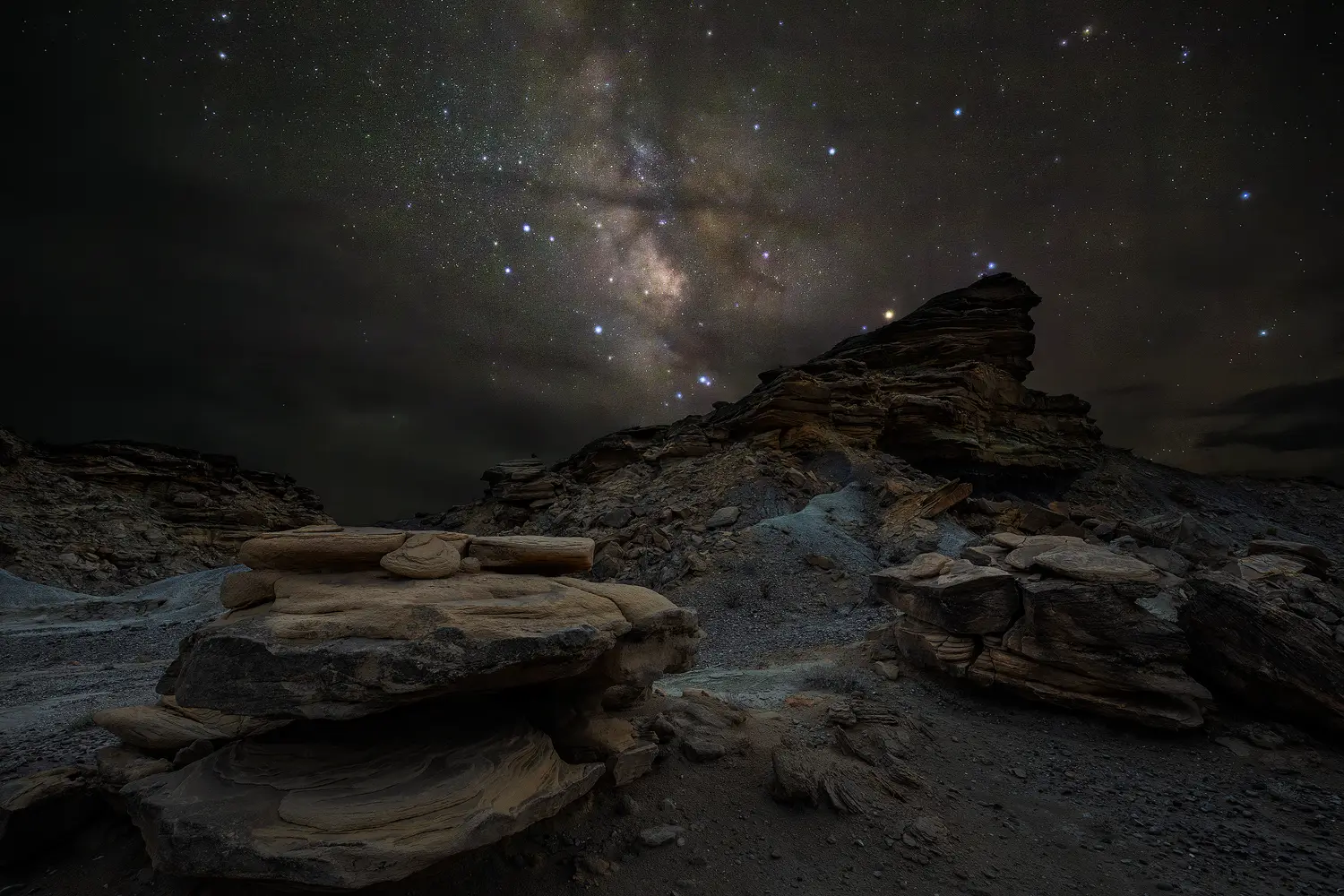
Night sky photography is approached methodically. Foregrounds are selected and photographed during twilight with blending in mind, then paired with Milky Way exposures captured under darker skies when conditions allow. Participants learn how to plan alignment, exposure, and camera position so that night integrations are deliberate and repeatable.
Midday processing and composite refinement
Dedicated midday sessions are built into the schedule to review twilight captures and refine night composites. Guidance includes exposure selection, star alignment, noise control, color balance, and maintaining a natural tonal relationship between foreground and sky. Post-processing is treated as an extension of field decisions, not a separate step.
Responding to conditions
Cloud cover and changing weather happen in Big Bend. When skies obscure night work, we shift toward sunrise sessions, sunstars through natural rock formations, adobe ruins at first light, and desert scenes that respond well to evolving conditions. The focus remains on making strong, well-structured images regardless of circumstance.
Workshop itinerary and schedule
Schedule overview
-
Workshop start (Friday, May 19)
Introduction at , followed by a sunset shoot in Big Bend's expansive desert landscape.
-
Photography sessions (Saturday–Tuesday, May 20–23)
Sessions are tailored to weather and sky conditions so we can prioritize the best opportunities for sunsets, twilight foregrounds, and Milky Way nights.
-
Workshop conclusion (Tuesday evening, May 23)
The workshop wraps up after an evening session (and potentially Milky Way work, conditions permitting).
Lodging
Far Flung Outdoor Center23310 FM170, Terlingua, TX 79852
Lodging website · (432) 371-2633
Lodging details: Andy recommends the casitas at Far Flung Outdoor Center because they are comfortable and conveniently located. Participants should make reservations when registering for the workshop. Several more affordable motel options are also available nearby in Study Butte/Terlingua.
Departure tip: Because the area is remote (and we may photograph the Milky Way on Tuesday night), we recommend scheduling your return flight for . If you must leave on , plan for a long drive to the nearest airport.
What to expect
A typical day
- Morning: Most mornings start at a relaxed pace. We reserve early starts for special conditions at key locations. Otherwise we'll have breakfast, review images, discuss goals, and prep for the day ahead.
- Midday: We're indoors for post-processing instruction and image reviews—especially for blending Milky Way composites and creating high-dynamic range results from bracketed exposures.
- Evening: After dinner, we head out for sunset and twilight to build strong foreground compositions. Later at night, when skies are clear, we'll photograph the Milky Way for combining with twilight foregrounds in post.
Registration
Registration details are available on the next page where you'll find secure PayPal buttons. You can check out as a guest using your credit or debit card—no PayPal account required.
Workshop details
- Experience level
- Beginner to advanced (advanced content). No matter your starting point, you'll get a usable workflow in the field and in post.
- Group size
- Small group (target of 7 participants) for focused help and deeper instruction.
- Effort
- Varies. Most photography locations are within ¼ mile of parking, with a few walks approaching ½ mile over uneven terrain and mild elevation gain. On some workshops, conditions and group interests may lead us to include a sunset hike of approximately 2.5 miles with about 1100 feet of elevation gain. If you have questions about the physical demands of this workshop, contact us.
- Conditions and elevation
- May averages range from about 61°F to 81°F. Days are warm; evenings can be chilly—pack layers. Shooting locations span roughly 3,000 to 7,000 feet—hydrate and pace yourself.
Getting to the workshop
Air travel
The most convenient airports are El Paso International (ELP) and Odessa/Midland International (MAF).
Drive time from El Paso to Big Bend: ~6 hr 15 min
Drive time from Odessa/Midland to Big Bend: ~4 hr 15 min
Arrival recommendation
We recommend arriving in Texas on . Many participants stay in Alpine, TX (a charming college town with multiple hotel options). The drive from Alpine to Terlingua is about 2 hours—book early if it's graduation season.
Driving and carpooling
Big Bend National Park features paved roads, and a standard rental car is sufficient. We encourage carpooling during the workshop to reduce impact and build camaraderie.
Recommended gear
Night sky photography
Cameras: Full-frame is ideal, but crop-sensor bodies work well with a sufficiently wide lens.
Lenses: A wide lens (16mm or wider) is recommended for capturing the Milky Way. If you're using a crop-sensor camera, account for the crop factor so you have a true wide option—typically around 10 to 12mm on APS-C or 7 to 8mm on Micro Four Thirds.
Lens performance
Test your lens's wide-aperture sharpness before the workshop. (See PDF: How to test lens sharpness.)
Sunset photography
Lens range: At least 16mm to 400mm (after crop factor).
Polarizer: Useful for reducing reflections and managing color—especially on hazy or reflective afternoons. As always, we'll talk through when it helps and when it doesn't.
Tripod and software
Tripod: Sturdy and tall enough for standing-height use without bending over.
Software: Bring a laptop with Photoshop installed. We also recommend the PhotoPills app for planning Milky Way sessions.
Footwear and safety
Wear ankle-high hiking boots for uneven terrain, loose rock, and cacti. Andy also recommends snake gaiters for added protection from cactus spines, thorny vegetation, and other desert hazards. If the workshop includes one of our longer hikes, sturdy footwear with good ankle support becomes especially important.
Water
Plan to carry at least 3–4 quarts of water for the longest hike.
Workshop community
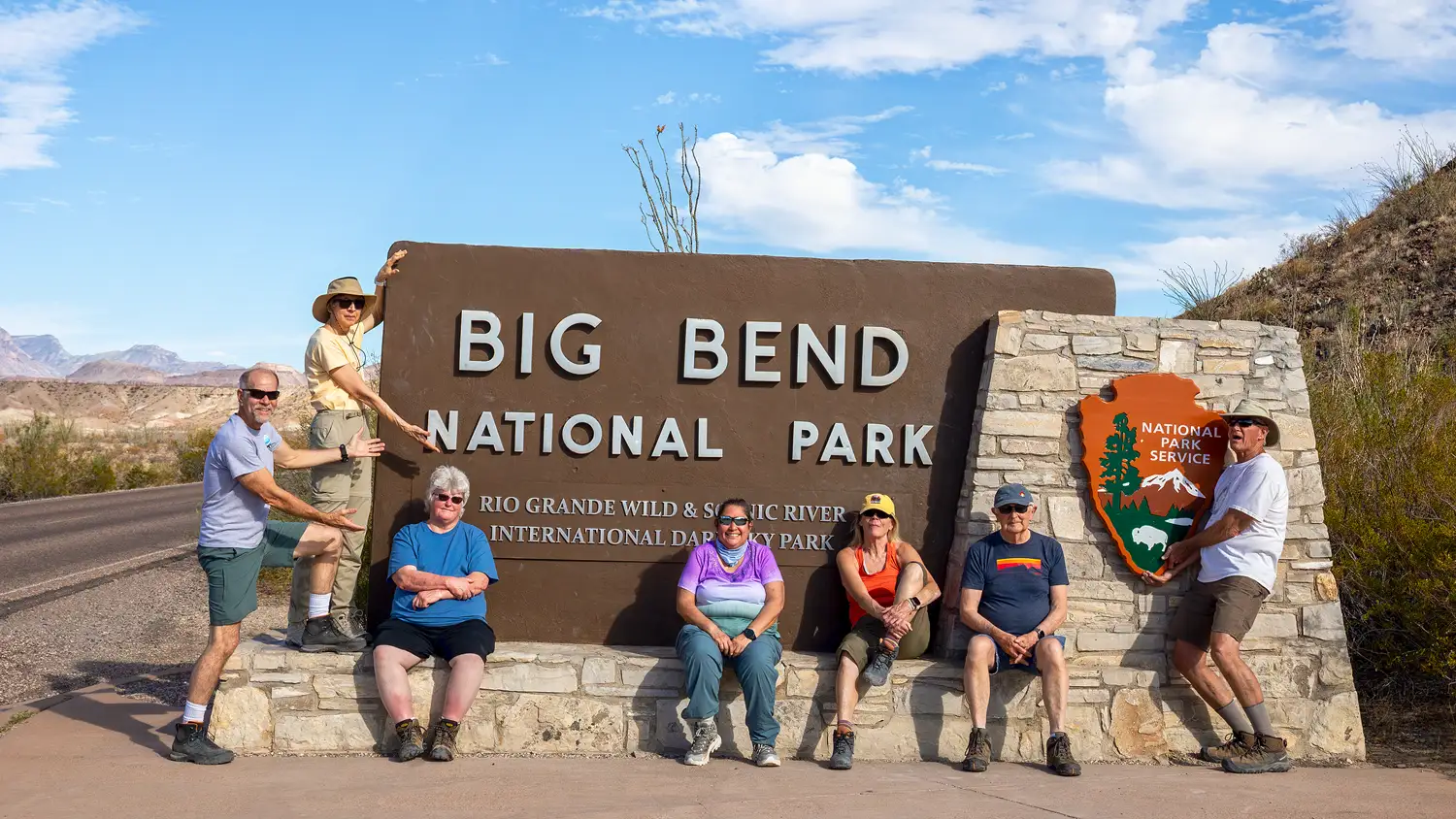
See photographs created by participants during past Big Bend workshops.
FAQ
- Is this workshop more about shooting or learning?
-
It's both, with an emphasis on making strong photographs through better decisions. You'll spend real time photographing productive locations in the right light, with instruction available whenever you want it. Some participants work independently; others ask questions, especially as conditions change. The goal isn't constant instruction, but learning that fits naturally into the field.
- Do I need prior night sky or Milky Way experience?
-
No. If you're new to night photography, we'll walk through a clear, repeatable approach. We'll cover planning, alignment, camera setup, and capture without assuming prior experience. If you've done Milky Way work before, the focus shifts to consistency, foreground quality, and blending techniques that hold up in post-processing. Instruction adapts to where you are.
- How demanding is the pace and schedule?
-
The pace is measured, not aggressive. Most mornings are relaxed, with early starts reserved for specific conditions. Evenings and nights are central to this workshop, and we structure the schedule to support that. If we photograph late, we adjust the following day so people can rest and stay sharp.
- What kind of conditions should I realistically expect?
-
Big Bend is a desert environment. Days can be warm, evenings cool quickly, and wind is always a possibility. Clear skies are common, but clouds don't always cooperate. We plan around conditions as they unfold and focus on making strong images with what we're given, rather than forcing a fixed plan.
- How much post-processing instruction is included?
-
Post-processing is an important part of this workshop. Time is set aside for reviewing images and working through blending, exposure control, and refinement in Photoshop, particularly for Milky Way composites. You're welcome to follow along closely or just absorb what's useful for you. There's no pressure to edit every image during the week.
- Will I get individual feedback on my images?
-
Yes. With a small group, there's plenty of opportunity for one-on-one conversations in the field and during image reviews. Feedback is practical and specific. We look at what's working, what could change, and what to try next time. The emphasis is on helping you develop your own judgment, not steering you toward a single “right” result.
Further Study
For photographers interested in refining post-processing techniques related to this workshop, the following tutorials may be helpful: